You Won’t Believe What I Found Driving Through Palawan’s Hidden Markets
Driving through Palawan isn’t just about turquoise waters and jungle trails—this island paradise holds secret shopping gems few travelers ever discover. I hit the road with no fixed plan, only curiosity, and stumbled upon vibrant local markets, roadside craft stalls, and family-run shops bursting with authenticity. Forget malls; here, every purchase tells a story. The woman weaving abaniko fans under a thatched roof, the fisherman’s wife selling smoked tuyo near a coastal turnoff, the elder in a quiet barangay shaping tapa cloth on a wooden loom—these moments aren’t staged for tourists. They’re daily life. If you're craving real culture, flavor, and one-of-a-kind souvenirs, self-driving through Palawan’s shopping scene might just be the adventure you never saw coming.
Why Self-Driving Changes Everything in Palawan
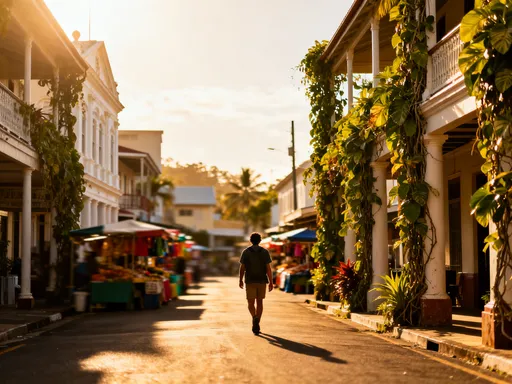
Palawan’s true character lies beyond the well-trodden paths, in the quiet villages and coastal inlets where tourism infrastructure fades and local life takes center stage. While package tours and public vans connect major towns, they rarely pause where the most authentic shopping experiences unfold. Self-driving—whether in a rented compact car or a sturdy scooter—unlocks access to these overlooked corners. It transforms the journey from a linear route into an exploratory adventure, where every side road and dirt path could lead to a family-run stall selling hand-dyed textiles or a roadside table piled with freshly harvested calamansi.
The island’s road network has improved significantly over the past decade, especially along the main arteries connecting Puerto Prinsesa, El Nido, and Coron. While mountainous stretches and coastal detours may still feature uneven pavement or unpaved sections, modern rental vehicles equipped with basic clearance handle most routes with ease. Navigation is straightforward with offline maps, though signal drops are common in remote zones—making printed directions and local signage essential. The real advantage of driving, however, isn’t just mobility; it’s autonomy. You decide when to stop, where to linger, and how deeply to engage.
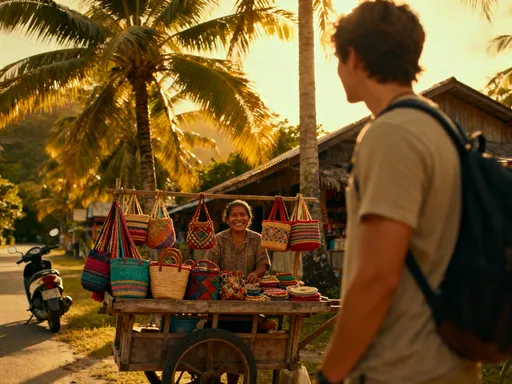
Consider the scenario of a passing minivan driver who spots a small wooden cart at a rural intersection, piled with woven buri bags and dried mango bundles. Without the ability to stop safely and return, the moment vanishes. But a self-driver can pull over, exchange a few words, and leave with not just a souvenir, but a memory: the vendor’s proud smile, the scent of sun-dried fruit, the quiet pride in handmade work. These unplanned encounters form the heart of Palawan’s shopping culture—organic, personal, and deeply human.
Moreover, driving allows travelers to align their visits with local rhythms. Early mornings bring fishermen unloading their catch at coastal stalls, while late afternoons reveal farmers returning from inland fields with baskets of root crops and jungle herbs. By moving at your own pace, you witness the flow of daily commerce that sustains communities far from tourist centers. This shift—from curated souvenir shops to spontaneous, community-based exchanges—elevates shopping from transaction to connection.
Puerto Prinsesa: More Than Just a Transit Hub
Often dismissed as a mere gateway to Palawan’s northern destinations, Puerto Prinsesa offers a rich and underrated shopping landscape that reflects the island’s cultural diversity and resourcefulness. The city’s San Jose Market, located just off Rizal Avenue, is a sensory immersion into local life. Open from dawn until mid-afternoon, it hums with activity as vendors arrange pyramids of tropical fruit, display glistening seafood on ice, and stack bundles of native vegetables like labong (bamboo shoots) and alugbati (vine spinach). While visitors may come for the food, they often leave with far more.
Scattered among the produce stalls are small kiosks dedicated to handicrafts and household goods. Here, shoppers find intricately woven bags made from pandan or buri fibers, each piece reflecting generations of weaving tradition. Vendors often work beside their displays, adding final stitches or demonstrating how the bags are folded and secured. These items are not only beautiful but durable, designed for everyday use in homes where practicality meets artistry. Prices are modest, and bargaining is accepted though not aggressive—starting at 10–15% below the quoted price is considered respectful.
Another highlight is the availability of coconut-based products, a nod to Palawan’s abundance of coconut palms. Shelves display coconut oil in reused glass jars, coconut vinegar in woven pouches, and even coconut charcoal soap wrapped in banana leaves. These items are often made in small batches by local cooperatives, supporting sustainable livelihoods. Travelers seeking edible souvenirs should try the packaged yuca chips, cassava cakes, and sweetened banana preserves, all made in home kitchens and sold in modest quantities.
For those with limited time, the small cluster of souvenir stands near the airport offers a convenient alternative. Though slightly more tourist-oriented, these stalls still carry authentic goods like miniature wooden carvings, abaniko fans, and stingray leather accessories. The key is to observe how items are presented—those displayed with care, alongside family photos or handwritten labels, often come from personal craft rather than mass import. Puerto Prinsesa may not have glitzy malls, but its markets offer something more valuable: a genuine glimpse into island life, one purchase at a time.
El Nido’s Weekend Market Magic
As the sun dips below the limestone cliffs each Saturday evening, El Nido’s main road transforms into a lively open-air marketplace. The El Nido Weekend Market is not a formal event but a community-driven gathering where food, fashion, and art converge in a joyful celebration of island creativity. Unlike the polished boutiques along the beachfront, this pop-up scene pulses with authenticity. Strings of fairy lights sway above bamboo tables, and the air fills with the sizzle of grilled seafood, the tang of calamansi juice, and the soft strum of acoustic guitars from local musicians.
Food takes center stage, with vendors serving everything from sizzling sisig made with local pork to fresh mango shakes blended with ice from the town’s lone freezer unit. But it’s the handmade crafts that capture the spirit of the place. Jewelry makers display necklaces strung with capiz shells, mother-of-pearl fragments, and carved wood beads, each piece inspired by the sea. Clothing stalls offer island-chic apparel—flowing cotton dresses, batik-print shirts, and hand-embroidered beach tunics—designed for comfort under the tropical sun.
What sets this market apart is its dual identity. While it draws tourists, it remains deeply rooted in community participation. Many vendors are residents of nearby barangays who use the market to supplement their income. Some are students selling accessories they made during school breaks; others are retirees showcasing embroidery passed down from their mothers. This blend of local need and creative expression gives the market its soul. It’s not performative—it’s lived.
For travelers, the experience goes beyond shopping. It’s a chance to sit on a low stool, sip coconut water from a fresh buko, and chat with artisans about their work. A woman shaping a shell pendant might explain how her grandmother taught her to identify the right type of capiz, or a young man selling woven hats might share how he learned the pattern from his father. These conversations turn souvenirs into stories, enriching the value of every item carried home. The El Nido Weekend Market isn’t just a place to buy—it’s a place to belong, if only for an evening.
Coron’s Hidden Craft Corners Beyond the Docks
Coron is best known for its world-class diving sites and emerald lakes, but those who venture beyond the port area uncover a quieter, equally captivating side of the island: its tradition of artisan craftsmanship. While most tourists disembark and head straight to dive shops or resort lobbies, self-drivers can explore inland barangays where skilled hands shape bamboo, weave tapa cloth, and mold clay into functional art. These crafts are not produced for display alone—they are part of daily life, passed down through generations in families who value utility as much as beauty.
One such destination is a cluster of homes near Banuang Daan, where elders gather in shaded courtyards to work on bamboo home goods. Using simple tools, they split, sand, and assemble pieces into rice containers, lanterns, and even kitchen utensils. The process is slow and deliberate, each joint secured with natural fibers rather than nails. These items are lightweight, durable, and naturally resistant to humidity—a perfect adaptation to Palawan’s tropical climate. Visitors who stop to observe are often invited to try their hand at weaving a small piece, an experience that deepens appreciation for the craft’s complexity.
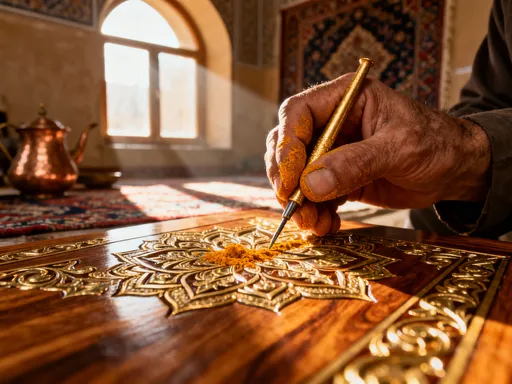
Another hidden gem is the production of tapa cloth, a traditional bark cloth made from the inner layer of the mulberry tree. Though less common today, a few families in remote parts of Coron still practice this ancient technique. The bark is soaked, beaten, and dried into thin sheets, then decorated with natural dyes from roots, leaves, and minerals. The resulting cloth is used for ceremonial garments, wall hangings, and decorative panels. While not mass-produced, small samples are sometimes available for purchase, often framed or mounted for easy transport.
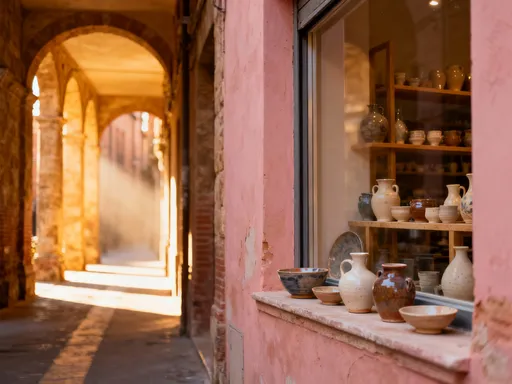
Pottery in Coron also reflects the island’s connection to the sea. Local potters create functional pieces like water jars and cooking pots, but increasingly, they craft decorative items inspired by coral formations and marine textures. Using clay sourced from nearby riverbeds, they shape vessels with undulating edges and rough, organic surfaces that mimic the underwater world. These pieces are fired in simple kilns and finished with natural glazes, resulting in one-of-a-kind creations that carry the essence of Coron’s landscape. For travelers seeking meaningful souvenirs, these artisanal goods offer a tangible link to the island’s heritage—one that no factory-made trinket can replicate.
Secret Stops Along the Highway: The Real Treasures
Some of the most memorable shopping moments in Palawan happen not in markets or shops, but along the roadside—spontaneous, unadvertised, and utterly genuine. These micro-stalls, often no more than a wooden cart or a cloth laid on the ground, represent the heart of the island’s informal economy. They are run by families who sell surplus harvests, handmade items, or preserved goods, turning small-scale production into modest income. For the self-driver, these stops are not detours—they are destinations in their own right.
Imagine rounding a bend on the highway between Taytay and Coron and spotting a woman seated beside a hand-painted sign: “Mangga Natutuyo.” On a bamboo rack behind her, rows of golden dried mango slices glisten in the sun. She offers a sample—sweet, chewy, with a hint of tartness—and explains that her family grows the fruit in their backyard, slices it at dawn, and dries it under the afternoon heat. There’s no packaging, just small cellophane bags tied with rubber bands. You pay in cash, exchange a few words in broken English and Tagalog, and drive on—your car now carrying not just a snack, but a piece of someone’s daily rhythm.
Further north, near a coastal village, a wooden cart displays wind chimes made from seashells, driftwood, and discarded fishing floats. The maker, an elderly man with sun-weathered hands, sits nearby, sanding a new piece. Each chime is unique, shaped by what the sea delivers. Some hang from repurposed coconut husks; others incorporate pieces of colored glass smoothed by tides. He doesn’t speak much, but his pride is evident in the careful arrangement of each strand. These chimes aren’t designed for mass appeal—they’re personal expressions of place and memory.
Such encounters are fleeting but powerful. They remind travelers that shopping in Palawan isn’t about collecting things—it’s about witnessing lives, supporting small efforts, and honoring quiet dignity. These roadside vendors aren’t chasing tourism trends; they’re sustaining traditions, feeding families, and preserving skills that might otherwise fade. By stopping, buying, and acknowledging their work, travelers become part of a larger story—one of resilience, resourcefulness, and quiet pride.
What to Buy (And What to Skip)
With so many options, it helps to know what’s worth your space and budget. Authentic Palawan souvenirs share common traits: they’re handmade, locally sourced, and reflect cultural or environmental context. Top recommendations include sea salt caramels made with coconut milk and island-harvested salt, abaniko fans crafted from woven palm or buri fibers, and stingray leather keychains or wallets—durable, distinctive, and ethically sourced from bycatch fisheries.
Another standout is the native snack called puto maya, a sticky rice cake cooked in coconut milk and wrapped in banana leaves. While perishable, it can be enjoyed fresh at roadside stalls or purchased in dried form for later preparation. Similarly, bottled calamansi juice or coconut vinegar makes a practical and flavorful gift, especially when labeled with the producer’s name and origin.
On the other hand, travelers should be cautious of items that look too polished or uniform. Mass-produced wooden carvings shipped from mainland factories, imported shell jewelry from Southeast Asian hubs, or synthetic “handwoven” bags are often sold alongside genuine crafts, especially in high-traffic zones. A simple test is to examine the craftsmanship: handmade items usually have slight imperfections, uneven stitching, or natural variations in color and texture. If everything looks identical, it likely isn’t local.
Sustainability is another key consideration. Avoid coral-based souvenirs, even if labeled “dead coral,” as their removal disrupts marine ecosystems. Similarly, steer clear of products made from protected species, such as sea turtle shells or rare hardwoods. Instead, support eco-conscious vendors who use recycled materials, fallen wood, or sustainable harvests. Your choices matter—not just for your suitcase, but for the island’s future.
Making Your Trip Smooth: Driving Tips & Shopping Hacks
To fully enjoy Palawan’s self-drive shopping adventure, preparation is essential. Begin by renting a reliable vehicle from a licensed agency in Puerto Prinsesa, El Nido, or Coron. Opt for a model with good fuel efficiency and sufficient storage space, especially if planning to buy fragile or bulky items. Always carry a physical map or download offline GPS apps like Maps.me, as mobile signals can be unreliable in rural areas.
Drive during daylight hours to maximize visibility and safety, particularly on winding coastal roads. Fuel stations are spaced every 50–70 kilometers, but it’s wise to refill whenever possible, especially before heading into remote zones. Cash is king—most roadside vendors and small markets operate on a cash-only basis, and ATMs can be scarce outside town centers. Bring small bills for easier transactions and to avoid delays.
When packing purchases, use soft fabric or banana leaves to cushion fragile items like pottery or glass bottles. Place them in the center of your luggage, surrounded by clothing, to minimize movement. For perishable goods like dried fruit or baked snacks, store them in sealed containers to preserve freshness and prevent attracting insects.
Finally, approach every interaction with respect. Smile, greet vendors with a simple “Magandang araw,” and take time to appreciate their work. Avoid haggling aggressively—many sellers are not profiteers but families relying on small earnings. A fair price, a kind word, and genuine interest go further than any discount. By traveling thoughtfully, you honor the culture you’ve come to experience.
Self-driving through Palawan transforms shopping from a chore into a story-rich adventure. Each turn reveals not just products, but people, pride, and tradition. The woman who spent hours weaving your fan, the fisherman who dried the mangoes you snack on, the elder who shaped a pot from river clay—these are the unseen hands behind every purchase. When you choose the open road, you don’t just bring home souvenirs—you carry back connections. And in a world where travel often feels transactional, that’s the rarest treasure of all.