Hiking Through Tuscany’s Hidden Art Trails – A Culture Lover’s Dream
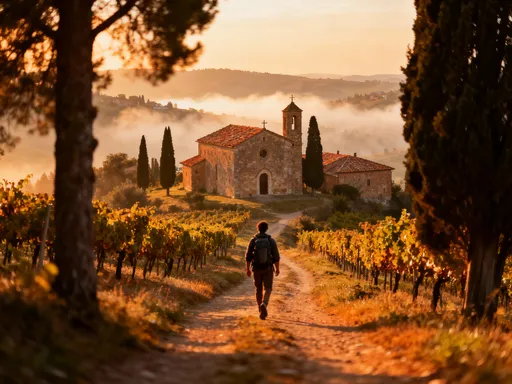
You know that feeling when a place just gets you? Tuscany did that to me. I went for the hills, stayed for the soul. Winding through vineyard-lined trails, I stumbled upon centuries-old chapels, open-air frescoes, and villages where time moves with the rhythm of handmade pasta. Hiking here isn’t just exercise—it’s a front-row seat to living art and culture. This is more than a walk. It’s a journey into the heart of Italy’s creative spirit. Each footfall on sun-warmed stone paths echoes with history, each turn in the trail unveiling a frescoed alcove or a bell tower rising above cypress groves. In Tuscany, nature and heritage are not separate realms but woven together in a seamless tapestry, inviting travelers to slow down, look closely, and feel deeply connected to a land where beauty is not displayed—it is lived.
Why Hiking in Tuscany Feels Like Walking Through a Living Museum
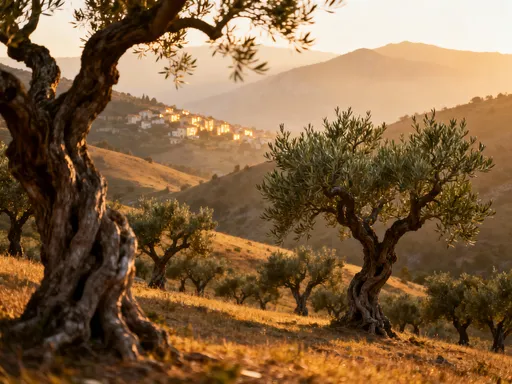
Tuscany’s landscape is not merely scenic—it is storied. Every ridge, valley, and olive-draped slope carries the imprint of centuries of human creativity and spiritual devotion. The region’s network of hiking trails follows ancient routes once trod by Etruscan traders, medieval pilgrims, and Renaissance artisans. These paths were never just conduits for movement; they were arteries of culture, carrying ideas, art, and faith across the hills. Today, walking them offers a rare form of immersion—one where the boundaries between museum and meadow, gallery and gravel road, blur into irrelevance.
Consider the Via Francigena, a historic pilgrimage route stretching from England to Rome. As it winds through Tuscany, it connects towns like San Miniato, Fucecchio, and Siena, each with its own artistic legacy. Along the way, hikers pass abandoned chapels with weathered frescoes still clinging to crumbling walls, or stumble upon stone crosses marking centuries-old waystations. These are not reconstructed exhibits—they are real remnants of a lived past, preserved not behind glass but in the open air, vulnerable yet enduring.
What makes this experience uniquely powerful is the pace. Driving through Tuscany offers postcard views, but hiking allows you to feel the land’s rhythm. You notice how the light changes on a terracotta roof as the sun arcs across the sky, how the scent of wild rosemary intensifies in the afternoon heat, how a distant bell tower seems to call not just to worshippers but to wanderers. This slow travel deepens perception. A fresco seen after a two-hour walk carries more weight than one viewed after a five-minute drive. The effort becomes part of the meaning.
Moreover, the region’s art is inseparable from its geography. The red clay of the hills gave rise to its iconic pottery; the soft limestone inspired generations of sculptors; the golden light of Val d’Orcia shaped the palette of Renaissance painters. To walk through these landscapes is to understand how environment shapes expression. A statue in a Florence museum gains new dimensions when you later see its stylistic echoes in a roadside shrine, carved by an anonymous hand for a local community.
Choosing the Right Trail: Matching Your Pace with Cultural Gems
One of Tuscany’s greatest strengths as a hiking destination is its range. Whether you have a single afternoon or a full week, whether you seek gentle strolls or multi-day treks, there is a trail that aligns with your energy and curiosity. The key is matching your physical readiness with your cultural interests, ensuring that every mile walked feels purposeful and rewarding.
For those new to hiking or traveling with family, the village connector trails offer an ideal introduction. Routes like the path from San Gimignano to Certaldo are well-marked, mostly flat, and rich in history. San Gimignano, famous for its medieval towers, is itself a masterpiece of urban design from the 13th century. The walk to Certaldo, birthplace of Boccaccio, takes you through vineyards and sunflower fields, with frequent views of crenellated rooftops in the distance. Along the way, small shrines and restored wayfarer chapels provide quiet moments of reflection. These trails are perfect for travelers who want culture without exhaustion.
For moderate hikers, the hilltop loops around Montepulciano or Cortona offer a balance of challenge and reward. These routes often climb through vineyards producing world-renowned wines like Vino Nobile or Brunello. The effort of ascending a steep path is repaid with panoramic views of rolling hills striped with cypress trees and dotted with stone farmhouses. At the summit, you might find a small church housing a 15th-century altarpiece or a piazza where locals gather in the evening for aperitivo. These loops typically take four to six hours, allowing time to explore the destination village before returning or catching a local bus.
For the more adventurous, segments of the Via Francigena or the Cammino di Francesco provide longer, multi-day options. Walking 15 to 20 kilometers per day, you enter a rhythm of movement and discovery. Accommodations range from historic monasteries to family-run agriturismi, where meals are made with ingredients from the surrounding land. These journeys are not just physical—they become meditative, stripping away distractions and sharpening awareness of the cultural details that might otherwise go unnoticed: the pattern of a wrought-iron gate, the Latin inscription on a boundary stone, the way a village fountain is still used by residents.
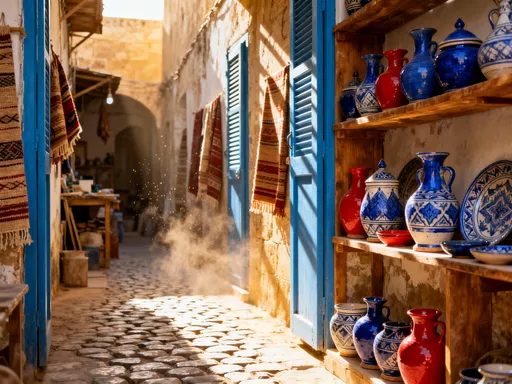
Planning should be guided by personal interest. If Renaissance art calls to you, focus on trails near Florence or Arezzo, where Piero della Francesca’s frescoes await in quiet churches. If religious history intrigues you, follow the pilgrimage paths leading to abbeys like Monte Oliveto Maggiore, where monks still chant in Gregorian tones. For lovers of rural craftsmanship, seek out routes near Impruneta, known for its terracotta, or the Crete Senesi, where traditional wool mills and pottery workshops remain active.
The Art Beneath Your Feet: Open-Air Masterpieces Along the Paths
Some of Tuscany’s most moving art exists not in climate-controlled galleries but along muddy footpaths, sheltered under simple stone awnings or tucked into village corners. These open-air masterpieces—frescoes, carvings, and contemporary installations—are not merely decorative; they were created for devotion, navigation, or community identity. Discovering them on foot, often by chance, adds a layer of authenticity that no curated museum tour can replicate.
One of the most poignant examples is the network of oratories and wayside chapels scattered across the countryside. Many date back to the 14th and 15th centuries, built by local confraternities to serve travelers and mark sacred spaces. Inside, fragments of frescoes often survive—images of the Madonna and Child, Saint Christopher guiding pilgrims, or the Last Judgment warning of divine accountability. The paint may be faded, the plaster cracked, but the emotional resonance remains. To stand in one of these small, cool spaces on a hot summer morning, sunlight filtering through a high window onto a centuries-old face, is to feel time collapse.
In the area around Siena, some trails feature modern sculptures integrated into the landscape as part of cultural initiatives. These are not intrusive but thoughtfully placed—bronze figures emerging from wheat fields, abstract forms echoing the curve of a hill. They create a dialogue between past and present, reminding hikers that art in Tuscany is not frozen in history but continues to evolve. These installations are often the work of local artists supported by regional councils, ensuring that creativity remains rooted in community.
Equally compelling are the stone markers and boundary carvings that dot ancient trails. Some bear the insignia of long-gone noble families; others display religious symbols or simple inscriptions marking distances. These were functional objects, yet their craftsmanship reveals an aesthetic sensibility. A carved lion’s head on a milestone is not just a signpost—it is a statement of pride, identity, and artistry. Finding one half-buried in ivy, its features softened by centuries of rain, feels like uncovering a secret.
The preservation of these works varies. Some have been restored with care, their frescoes stabilized and roofs repaired. Others remain in a state of gentle decay, protected not by funding but by neglect and the remoteness of their location. This duality is part of their power. They are not sanitized relics but living elements of the landscape, subject to the same forces of time and weather as the hills themselves. To see them is to witness art not as a possession but as a process—one that continues with every passing season.
Cultural Pit Stops: Villages That Inspire Awe and Connection
No hiking journey in Tuscany is complete without lingering in its hilltop villages—places where architecture, history, and daily life converge in breathtaking harmony. These are not theme parks for tourists but living communities where elders gather in piazzas, children chase each other through cobbled alleys, and artisans still practice trades passed down for generations. Arriving on foot, tired and thirsty, makes the warmth of welcome all the more meaningful.
Take Pienza, a UNESCO World Heritage site and a masterpiece of Renaissance urban planning. Designed in the 15th century under Pope Pius II, the town embodies humanist ideals—proportion, symmetry, and harmony with nature. Its main square, Piazza Pio II, is framed by elegant buildings with arched loggias and graceful facades. Yet Pienza is not a museum piece. It is famous for its pecorino cheese, and small shops along the street sell rounds aged in caves beneath the town. Sitting in the piazza with a slice of cheese and a glass of local wine, you feel the continuity of tradition—the same views, the same flavors, stretching back centuries.
Further east, Lucignano offers a more intimate experience. This small, oval-shaped village rises above the Arno Valley, its streets spiraling inward toward a central church. Inside the Church of San Francesco, the Tree of Life reliquary—a stunning piece of Etruscan-inspired goldsmithing—draws quiet reverence from visitors. But the real magic is in the everyday: the sound of a baker pulling bread from a wood-fired oven, the sight of geraniums spilling from window boxes, the way sunlight gilds the stone walls in the late afternoon. There are no crowds, no souvenir stalls—just life unfolding at its own pace.
Then there is Montalcino, perched on a solitary hill and famed for its Brunello wine. The town’s fortress, the Fortezza, offers panoramic views that stretch for miles. Inside, a small enoteca allows hikers to taste the region’s robust reds while learning about sustainable viticulture. But beyond the wine, Montalcino exudes a sense of quiet dignity. Its streets are clean, its buildings well-kept, and its people proud of their heritage. To walk its ramparts at sunset, with the valley below bathed in gold, is to understand why this land has inspired artists and poets for centuries.
Each of these villages offers more than visual beauty. They provide sensory immersion—the smell of roasting chestnuts in autumn, the cool shade of a stone arcade on a hot day, the sound of a distant accordion drifting from a courtyard. These details accumulate, forming a deep emotional connection. You don’t just see these places; you feel them. And because you’ve walked to reach them, your arrival feels earned, your presence more intentional.
Local Encounters: How Hiking Opens Doors to True Tuscan Life
One of the quiet miracles of hiking in Tuscany is how it fosters genuine human connection. When you arrive in a village on foot, dusty and breathing hard, you are not a detached observer but a participant in the rhythm of the day. You are real, present, and approachable. This authenticity invites response—not the scripted interactions of tourist shops, but spontaneous moments of kindness and curiosity.
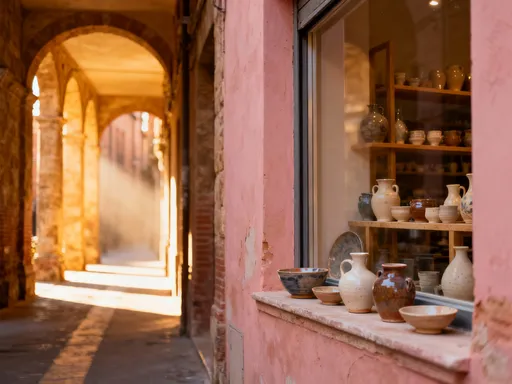
It might begin with a wave from an elderly woman tending her garden, who calls out a greeting in Italian and offers a fig from her tree. Or a potter, noticing your interest in her outdoor kiln, inviting you inside to see her latest pieces, explaining how she uses local clay and traditional glazes. These are not performances for visitors; they are glimpses into lives lived with care and pride.
Farmers, too, often welcome hikers. Along certain trails, especially in the Chianti region, it’s not uncommon to be offered a taste of newly pressed olive oil or a sample of wine from a family’s private reserve. These gestures are small but profound—acts of hospitality rooted in a culture that values sharing and generosity. There is no expectation of purchase, no hidden agenda. The exchange is human, not transactional.
In some villages, arriving on foot coincides with local events—a weekly market, a saint’s day celebration, or an impromptu concert in the piazza. Because you are already present, already part of the scene, you’re drawn in naturally. You might find yourself clapping along to folk music, trying a regional pastry from a volunteer stall, or simply listening to elders recount stories in rapid-fire Tuscan dialect. These moments are unrepeatable, unstageable—born of timing, openness, and the simple act of showing up on foot.
What makes these encounters possible is the humility of the hiker’s posture. You are not elevated in a car or shielded by a tour group. You are on the same level as the land and its people. You move at a human pace, notice small details, and carry a quiet respect. In return, you are often met with warmth that feels rare in modern travel. It is not the hospitality of commerce but of community—a reminder that, in the heart of Tuscany, strangers are still welcome.
Practical Tips for a Culturally Rich Hiking Journey
To fully enjoy Tuscany’s art trails, preparation is essential—but not overwhelming. The region is well-equipped for walkers, with clear signage, reliable resources, and a culture that supports slow travel. A few thoughtful choices can transform a good hike into a profound cultural experience.
The best times to hike are spring (April to June) and fall (September to October). During these seasons, temperatures are mild, the light is soft, and the landscape is at its most vibrant—wildflowers in spring, golden vineyards in autumn. Summer can be brutally hot, especially in July and August, while winter brings rain and shorter days, though it can be ideal for shorter, sheltered walks.
Footwear is critical. While sturdy sneakers may suffice for easy trails, serious hikers should invest in lightweight hiking boots with good ankle support and grip. The terrain varies—paved roads, gravel paths, rocky ascents, and slippery olive grove tracks after rain. Blisters and slips are the most common setbacks, easily avoided with proper shoes and moisture-wicking socks.
Carry essentials: at least one liter of water per person, sunscreen, a hat, and a small first-aid kit. A lightweight backpack with a rain cover is advisable. Many hikers also bring a small notebook or sketchpad—Tuscany’s beauty often inspires creativity. A compact camera or smartphone with extra battery life allows you to capture moments without burdening yourself.
Navigation tools have never been better. Apps like Komoot and Italia Trails offer detailed, offline maps of Tuscan hiking routes, including elevation profiles and points of interest. Paper maps from local tourist offices are also valuable, especially in areas with poor signal. Trail markers—usually painted stripes on rocks or signs—follow regional systems, with red-and-white for main routes and yellow for connectors.
Public transportation links many trailheads. Regional buses serve towns like San Gimignano, Pienza, and Montepulciano, and some routes operate year-round. Trains connect larger hubs, from which shorter hikes can begin. This makes car-free travel entirely feasible, reducing environmental impact and increasing immersion.
Finally, respect is paramount. Tuscany’s trails pass through private land, active farms, and sacred spaces. Stick to marked paths, close gates behind you, and avoid picking flowers or disturbing wildlife. When visiting churches or chapels, dress modestly and speak quietly. These places are not attractions—they are part of living communities. Your presence should honor that.
Why This Experience Stays With You: The Deeper Reward of Slow Cultural Travel
In an age of instant gratification and rapid transit, hiking through Tuscany’s art trails offers something increasingly rare: depth. This is not tourism as checklist, but travel as transformation. Each step becomes a form of attention, each mile a meditation on beauty, history, and human creativity. The experience stays with you not because of the photos you take, but because of the way it changes how you see.
Contrast this with typical sightseeing—rushing through a museum, ticking off landmarks, snapping pictures without pausing to feel. Hiking disrupts that pattern. It forces slowness. It demands presence. When you walk for hours to reach a small church and finally stand before a fresco by a forgotten master, the image carries weight. You’ve earned the right to see it. The physical effort deepens the emotional impact. The art is no longer separate from you; it is part of your story.
This is the essence of culturally rich travel: not consumption, but connection. You begin to notice how patterns repeat—the curve of a hill echoed in a pottery rim, the rhythm of a vineyard mirrored in a fresco’s composition. You realize that art in Tuscany is not an elite pursuit but a way of life, woven into daily rituals, religious practices, and the very shape of the land.
And perhaps most importantly, you return home changed. Not with souvenirs, but with a quieter mind, a fuller heart, and a renewed belief in the value of slowness. You carry the scent of rosemary on warm stone, the sound of a distant bell, the face of a fresco seen in morning light. These are not memories of a place, but fragments of a feeling—that for a few days, you lived in harmony with beauty, history, and yourself.
So take the path less driven. Let your feet guide you through vineyards and villages, past chapels and fountains, toward encounters both planned and unexpected. Seek travel that feeds not just the eye, but the soul. In Tuscany, every step tells a story. Walk it slowly. Listen closely. And let the land speak to you, as it has spoken to pilgrims, artists, and dreamers for centuries.