You Won’t Believe These Hidden Natural Wonders in Nha Trang
Nha Trang, Vietnam, is more than just a beach party destination—it’s a gateway to some of the most breathtaking natural landscapes in Southeast Asia. I went searching for peace beyond the city buzz and stumbled upon emerald islands, misty highlands, and secret lagoons that left me speechless. This is not just a getaway; it’s a full sensory dive into untouched beauty. If you're craving nature that feels alive, Nha Trang delivers in ways you never expected. With its crescent-shaped bay, year-round warm climate, and proximity to diverse ecosystems, this coastal gem offers travelers an extraordinary blend of accessibility and wild charm. From quiet mountain valleys to coral-fringed islets, Nha Trang reveals a side of Vietnam that’s vibrant, serene, and deeply rooted in natural harmony.
Why Nha Trang Stands Out for Nature Lovers
Nha Trang distinguishes itself among Vietnam’s coastal destinations through its remarkable ecological diversity. While cities like Da Nang and Nha Trang share sandy shores and turquoise waters, Nha Trang’s unique geography bridges marine and mountain environments in a way few others do. Just a short journey inland, the land rises sharply into forested highlands, creating microclimates that support everything from lowland mangroves to montane flora. This convergence of ecosystems allows visitors to experience snorkeling in the morning and hiking through misty jungles by afternoon—a rare duality that enhances the region’s appeal for nature enthusiasts.
What sets Nha Trang apart is how thoughtfully tourism has been integrated with conservation. Unlike destinations where development overtakes nature, Nha Trang maintains a balance. Protected marine zones limit overfishing and anchor damage, preserving coral health. National parks like Nui Chua, located just north of the city, safeguard endangered species and fragile dry forest ecosystems. These efforts ensure that even as resorts and restaurants grow along the coastline, wild spaces remain accessible and intact. For the mindful traveler, this means enjoying modern comforts without sacrificing the authenticity of natural discovery.
The city’s location along the South China Sea also contributes to its rich biodiversity. Warm currents nurture vibrant coral reefs, while seasonal monsoon rains feed rivers and waterfalls that carve through the surrounding hills. This dynamic environment supports an abundance of plant and animal life, including rare birds, endemic orchids, and marine species found nowhere else. For those who appreciate nature in its most dynamic form, Nha Trang offers not just scenery, but a living, evolving story of resilience and beauty. It’s a place where the sea meets the sky, and the forest meets the shore, inviting quiet reflection and deep connection.
Island Hopping Beyond the Tourist Trail
While many tourists flock to Hon Mun, the crown jewel of Nha Trang’s marine protected areas, quieter islands like Hon Tam and Hon Mot offer equally stunning experiences with fewer crowds. These lesser-known islets lie just a short boat ride from the mainland, yet feel worlds away from the bustle of the city. Hon Tam, once a private retreat, now welcomes small eco-tours that emphasize low-impact exploration. Its shores are lined with soft white sand and shaded by casuarina trees, while just offshore, coral gardens thrive beneath crystal-clear waters. Snorkeling here feels like floating through an underwater kaleidoscope—parrotfish dart between branching corals, sea cucumbers rest on the sandy floor, and the occasional reef shark glides silently in the distance.
Hon Mot, even more secluded, is often visited as part of multi-island excursions arranged by local operators. The island has no permanent structures, making it a pristine escape for those seeking solitude. Its coves provide calm waters perfect for swimming, while rocky outcrops create natural tide pools teeming with crabs, starfish, and tiny reef fish. The experience of anchoring on a deserted beach, listening only to waves and seabirds, is profoundly peaceful. These islands remind visitors that nature, when left undisturbed, flourishes in quiet abundance.
To preserve these delicate ecosystems, responsible tourism practices are essential. Travelers are encouraged to use reef-safe sunscreen, avoid touching or stepping on coral, and refrain from feeding marine life. Many local tour companies now provide reusable water bottles and discourage single-use plastics during island trips. Choosing small-group tours not only enhances the personal experience but also reduces environmental strain. By supporting operators committed to sustainability, visitors help ensure that Nha Trang’s islands remain vibrant for generations. These hidden gems are not just destinations—they are living classrooms in marine conservation and mindful travel.
The Magic of Ba Ho Waterfalls: A Jungle Escape
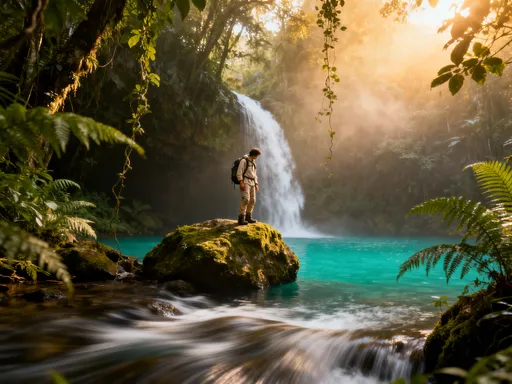
Just 25 kilometers west of Nha Trang lies Ba Ho Waterfalls, a cascading series of natural pools tucked within a lush river valley. The journey begins with a winding drive through rubber plantations and bamboo groves, the air growing cooler and more humid with every mile. Upon arrival, the sound of rushing water greets visitors before the falls come into view. Three main tiers tumble over moss-covered rocks, each creating a refreshing pool ideal for wading or simply sitting at the edge, feet dipped in cool, clear water. The surrounding jungle is dense with ferns, climbing vines, and towering trees draped in epiphytes, creating a scene straight from a tropical dream.
The sensory experience at Ba Ho is deeply restorative. Mist rises from the falls, carrying the scent of wet earth and greenery. Bird calls echo through the canopy—kingfishers, bulbuls, and the occasional hornbill—and dragonflies skim the surface of the pools. The third and highest waterfall features a natural rock slide, a favorite among adventurous visitors who laugh as they glide down into the pool below. Families often picnic on shaded platforms, while solo travelers find quiet spots to read or meditate. It’s a place where time slows, and the rhythm of nature takes over.
For those looking to extend the adventure, the nearby Datanla High Rope Course offers a thrilling complement to the tranquility of the falls. Suspended among the treetops, the course includes zip lines, rope bridges, and climbing walls—all designed with safety and environmental sensitivity in mind. Together, Ba Ho and Datanla represent the perfect balance of relaxation and gentle challenge. To make the most of the visit, travelers should come prepared with sturdy water shoes, as the rocks can be slippery, and visit in the early morning to avoid afternoon showers. Sun protection and insect repellent are also recommended, as the jungle environment is both beautiful and alive with activity.
Discovering Yang Bay Eco Park’s Wild Side
Nestled in the hills above Nha Trang, Yang Bay Eco Park offers a harmonious blend of wildlife conservation, cultural heritage, and immersive nature experiences. Spanning over 400 hectares, the park protects a stretch of primary forest that serves as a refuge for native species. Walking trails wind through the canopy, crossing wooden bridges over streams and leading to small waterfalls where visitors can dip their hands in cool, rushing water. Along the way, enclosures house rescued animals such as the shy pangolin, the barking deer known as the muntjac, and various species of monkeys and birds. These habitats are designed to mimic natural conditions, allowing animals space and privacy while educating visitors about local biodiversity.
One of the park’s most distinctive features is its integration of ethnic cultural elements. The local Raglai people, indigenous to the Central Highlands, share their traditions through daily performances of traditional music played on bamboo instruments. The haunting melodies of the gong and flute drift through the trees, creating a meditative atmosphere. Herbal baths, prepared with natural ingredients like lemongrass, turmeric, and ginger, are available for visitors seeking relaxation and rejuvenation. These baths, rooted in traditional healing practices, offer a soothing way to unwind after a day of exploration.
Yang Bay also functions as an environmental education center. Informational signs along the trails explain the importance of forest conservation, watershed protection, and species preservation. The park supports local livelihoods by employing community members as guides and artisans, ensuring that conservation efforts benefit people as well as nature. By visiting Yang Bay, travelers contribute directly to these initiatives. It’s a model of sustainable tourism—where ecological protection, cultural respect, and visitor experience come together in harmony. For families and nature lovers alike, the park offers a meaningful way to connect with Vietnam’s natural and cultural roots.
Mountains, Mist, and the Forgotten Charm of Hoa Lan Valley
High in the hills above Nha Trang, Hoa Lan Valley—also known as Orchid Valley—unfolds like a secret garden. Unlike commercial attractions, this tranquil spot remains largely unspoiled, with no entrance fee, no crowds, and no loudspeakers breaking the silence. As its name suggests, the valley is home to a wide variety of orchids, many blooming year-round thanks to the cool, moist climate. Walking along the stone paths, visitors pass clusters of pink, white, and purple blossoms clinging to tree trunks and rocks, their delicate forms a testament to nature’s quiet elegance.
The valley is more than just a floral display. Bamboo groves sway in the breeze, koi ponds reflect the sky, and small waterfalls feed into clear streams where dragonflies hover. Wooden benches invite rest and contemplation, and the air carries the faint scent of damp moss and blooming jasmine. Because it’s not widely advertised, Hoa Lan Valley retains a sense of discovery—each turn in the path feels like uncovering a hidden world. Photographers love the soft light filtering through the canopy, while families enjoy the gentle terrain suitable for children and older adults alike.
To enhance the experience, many visitors combine their trip with a stop at a nearby coffee farm. The Central Highlands are Vietnam’s coffee heartland, and small family-run farms offer tastings of freshly brewed Arabica and Robusta. Sitting on a wooden porch, sipping rich, dark coffee while overlooking misty hills, is a simple pleasure that lingers long after the visit. Hoa Lan Valley reminds us that beauty doesn’t need fanfare. Sometimes, the most profound moments in travel come from quiet places—where nature speaks softly, and we remember how to listen.
Sunrise at Hon Chong Promontory: Where Sea Meets Stone
At the southern edge of Nha Trang’s beachfront, Hon Chong Promontory rises dramatically from the sea like a fortress of weathered stone. Composed of ancient granite formations sculpted by wind and waves, the site offers one of the most poetic vantage points in the city. Arriving before dawn, visitors are rewarded with a spectacle of light and motion. As the sky shifts from deep indigo to soft gold, fishing boats glide across the horizon, their silhouettes cutting through the morning mist. The sun peeks over the eastern horizon, casting long shadows across the rock formations and turning the sea into a shimmering expanse of molten light.
Hon Chong’s geology tells a story millions of years in the making. The split boulders and natural arches were formed by relentless wave action and tectonic shifts, creating a landscape that feels both ancient and alive. Locals often gather here in the early hours—not just for the view, but for tai chi, quiet meditation, or a slow walk along the seaside path. The rhythmic crash of waves against stone provides a natural soundtrack, grounding the mind in the present moment. For photographers, the interplay of light, water, and rock offers endless compositions, while for others, the site is simply a place to breathe deeply and begin the day with clarity.
Because it’s easily accessible on foot from the city center, Hon Chong is ideal for travelers seeking a moment of peace without venturing far. Benches are scattered along the walkway, perfect for pausing with a notebook or a cup of tea. As the city slowly wakes up behind you, the promontory remains a sanctuary of stillness. It’s a reminder that even in urban spaces, nature finds a way to assert its presence. At sunrise, when the world feels new again, Hon Chong offers a quiet invitation—to witness, to reflect, and to reconnect.
How to Experience Nha Trang’s Nature Responsibly
As Nha Trang’s natural attractions grow in popularity, the importance of responsible travel becomes ever more critical. The region’s ecosystems—marine reefs, tropical forests, freshwater streams—are delicate and vulnerable to overuse. The good news is that every traveler can make choices that protect these wonders. One of the most effective steps is to choose small-group tours operated by licensed, eco-conscious companies. These operators often limit group sizes, follow designated trails, and educate guests about local conservation efforts. By supporting them, visitors help promote sustainable practices across the tourism industry.
Another key practice is minimizing plastic use, especially during island trips. Many boats now provide refillable water dispensers, and travelers are encouraged to bring reusable bottles, bags, and containers. Avoiding littering is fundamental, but going a step further—participating in beach cleanups or carrying out waste when possible—can have a lasting impact. When snorkeling or swimming, maintaining a safe distance from coral and marine life prevents accidental damage. Even sunscreen matters: chemical-laden products can harm coral reefs, so opting for mineral-based, reef-safe formulas helps protect underwater ecosystems.
Timing your visit can also reduce environmental strain. Traveling during the shoulder seasons—May to early June, or September to October—means fewer crowds, lower prices, and less pressure on fragile sites. These periods often offer pleasant weather and clearer waters, enhancing the experience while supporting conservation. Respecting local customs and protected areas is equally important. Staying on marked trails, avoiding loud noises in quiet zones, and refraining from feeding or touching animals are simple but powerful ways to honor the places we visit.
Ultimately, responsible travel is about mindset. It’s recognizing that we are guests in these landscapes, not owners. The true measure of a great journey isn’t how many photos we take, but how gently we move through the world. When we choose to leave no trace—when we listen more than we speak, observe more than we disturb—we become part of the solution. And in doing so, we ensure that Nha Trang’s hidden wonders remain not just memories, but living realities for those who come after us.
Nha Trang’s natural areas are not just scenic backdrops—they’re living, breathing parts of Vietnam’s ecological soul. Each waterfall, forest path, and quiet cove invites deeper connection with the earth. By choosing mindful exploration, travelers help preserve these treasures. The real reward isn’t just the views—it’s knowing you’ve touched nature with respect, and carried its spirit forward.