Taste of Brisbane: A Local Food Journey You Can’t Miss
Brisbane’s food scene is way more than just brunch—it’s a vibrant mix of cultures, flavors, and hidden gems waiting to be discovered. From riverside markets to laneway cafes, I experienced how food connects people and places in this sun-drenched Australian city. Whether it’s fresh seafood, Asian street eats, or organic farmer’s produce, every bite tells a story. This is real, unfiltered flavor—alive, diverse, and totally unforgettable. With its subtropical climate, sprawling riverfront, and rich cultural tapestry, Brisbane offers a culinary landscape that’s both accessible and deeply authentic. This journey isn’t just about eating—it’s about understanding a city through its most heartfelt expression: shared meals.
First Impressions: Arrival in Brisbane and the City’s Culinary Vibe
Touching down at Brisbane Airport, the warmth of the air is the first thing that greets you—not just in temperature, but in tone. The city unfolds with a relaxed rhythm, its skyline rising gently along the meandering Brisbane River. Unlike the frenetic energy of larger global capitals, Brisbane moves at a pace that invites lingering, especially around mealtimes. Within hours of arrival, it becomes clear that food is not just sustenance here—it’s a central thread in the city’s identity. Cafés spill onto footpaths, their chalkboard menus boasting single-origin brews and house-baked pastries. The scent of roasting coffee blends with the salty breeze from the river, creating an atmosphere that feels both urban and coastal.
What stands out immediately is the city’s multicultural layering. Brisbane has long been a destination for migrants from across Asia, the Pacific, and Europe, and this diversity is reflected vividly in its food. Vietnamese noodle shops sit beside modern Australian bakeries, while Middle Eastern spice stalls share laneways with Japanese ramen bars. This isn’t fusion for trendiness—it’s integration born of generations living side by side. The city’s urban design supports this culinary richness, with open-air markets, pedestrian-friendly precincts, and riverfront dining zones that encourage exploration on foot or by bicycle.
The Brisbane River is more than a scenic backdrop—it’s a dining destination in its own right. Many of the city’s most beloved eateries are clustered along its banks, from South Bank to New Farm. Restaurants here take full advantage of the waterfront, offering outdoor seating where diners can watch kayakers glide by while sipping freshly pressed juices or craft beers. The river also hosts floating markets and seasonal food festivals, reinforcing the idea that eating in Brisbane is as much about place as it is about taste. This connection between environment and cuisine gives the city’s food culture a grounded, organic feel—one that rewards slow, mindful exploration.
Breakfast Culture: Beyond Avocado Toast
In Brisbane, breakfast is not just the first meal of the day—it’s a ritual. The city’s coffee culture is world-class, with a level of craftsmanship that rivals Melbourne’s famed café scene. Specialty roasteries like Aether and Sample Coffee have cultivated devoted followings, sourcing beans from ethical farms and perfecting brewing methods that highlight subtle flavor notes. A morning espresso here is more than a caffeine fix; it’s a sensory experience, often served in hand-thrown ceramic cups that reflect the care put into every step of preparation.
While avocado toast remains a staple on many menus, Brisbane’s breakfast offerings go far beyond this now-ubiquitous dish. Local chefs emphasize quality ingredients—house-milled grains, free-range eggs, and seasonal vegetables sourced from nearby farms. At places like Gerard’s Bistro and Hatch & Sons, breakfast menus feature inventive combinations like fermented sourdough with cultured butter and pickled vegetables, or smoked trout with dill crème fraîche and rye crackers. These dishes reflect a broader philosophy: that even the simplest meals deserve attention to detail and respect for provenance.
Weekend brunch is a social event in Brisbane, often stretching into long, leisurely affairs. Families gather at riverside cafés, friends meet for bottomless coffee and shared plates, and solo diners find quiet corners to read or journal over a flat white. This emphasis on connection is central to the city’s food culture. Brunch isn’t about rushing—it’s about presence. Many cafés now offer cold brew flights, allowing guests to sample different roast profiles, or host weekend talks with local farmers and bakers. These small touches deepen the experience, transforming a meal into a moment of learning and community.
South Bank Markets: A Feast for the Senses
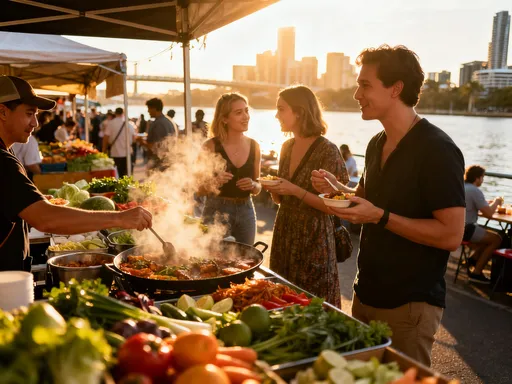
No visit to Brisbane is complete without a morning spent at the South Bank Produce Market. Held every Sunday along the scenic riverfront, this bustling market is a showcase of Queensland’s agricultural abundance. Under rows of shaded stalls, visitors find everything from glossy mangoes and finger limes to artisanal cheeses and free-range pork sausages. The market isn’t just a shopping destination—it’s a sensory immersion, where the colors, scents, and sounds of fresh food come alive in the morning light.
One of the market’s greatest strengths is its direct connection to producers. Farmers travel from regional areas like the Scenic Rim and Sunshine Coast to sell their harvests, often sharing stories about their growing practices and family traditions. Conversations with vendors reveal a deep pride in their work—whether it’s a fifth-generation citrus grower explaining the ripening cycle of blood oranges or a young cheesemaker discussing the use of raw milk in her small-batch brie. These interactions add a human dimension to the food, making each purchase feel meaningful.
For food lovers, the South Bank Market is a tasting trail in itself. Must-try items include Moreton Bay bugs—sweet, delicate shellfish grilled with garlic butter—and oysters harvested from nearby Hervey Bay, served raw with lemon and mignonette. Handmade dumplings from Asian-Australian vendors offer bold flavors, with fillings like prawn and chive or slow-cooked pork belly. Freshly baked sourdough loaves, still warm from the oven, are perfect for pairing with local honey or macadamia nut butter. Even the beverages reflect regional pride, with cold-pressed juices made from tropical fruits and small-batch kombucha brewed using native botanicals.
The market also highlights Brisbane’s growing commitment to sustainability. Many vendors use compostable packaging, and shoppers are encouraged to bring reusable bags and containers. Some stalls operate on a ‘ugly produce’ model, selling misshapen but perfectly edible fruits and vegetables at reduced prices to combat food waste. This blend of abundance and responsibility captures the spirit of modern Brisbane—a city that celebrates flavor while honoring the land that provides it.
Asian Food Hubs: Discovering Cultural Enclaves
To understand Brisbane’s true culinary depth, one must venture beyond the city center into its vibrant suburbs. Areas like Sunnybank, Carindale, and Fortitude Valley are home to some of the most authentic and exciting Asian dining experiences in Australia. These neighborhoods are not just food destinations—they are cultural hubs where language, music, and tradition shape the way people eat. Walking through Sunnybank Plaza, for example, one hears Mandarin, Cantonese, and Vietnamese spoken in equal measure, while the air is rich with the aromas of sizzling garlic, star anise, and lemongrass.
Vietnamese cuisine holds a special place in Brisbane’s food landscape. Pho, the iconic noodle soup, is served in dozens of variations across the city, from rich, spice-laden broths to lighter, herbal versions made with chicken. At family-run restaurants in Springwood and Annerley, diners sit alongside elderly Vietnamese Australians who come for the taste of home. The best bowls are simmered for hours, using bone marrow and charred ginger to build deep umami flavor. Accompanied by fresh herbs, lime, and chili, each spoonful is both comforting and invigorating.
Malaysian and Singaporean flavors are equally prominent. Laksa—a coconut-based curry noodle soup—appears in both Penang and Sarawak styles, with some versions featuring prawn paste and others emphasizing aromatic spices like turmeric and galangal. Hawker-style stalls in Fortitude Valley offer satay skewers grilled over charcoal, served with peanut sauce and cucumber relish. Korean BBQ restaurants, particularly in Sunnybank Hills, invite guests to grill their own meats at the table, creating a lively, interactive dining experience. The popularity of these cuisines reflects not only migration patterns but also a local appetite for bold, complex flavors.
What makes these enclaves so valuable is their authenticity. Unlike tourist-oriented restaurants that may soften flavors for broader appeal, these neighborhood spots cater to local communities, preserving traditional recipes and cooking techniques. Many are run by second- or third-generation immigrants who balance respect for heritage with subtle modern updates—such as using organic produce or offering gluten-free options. For visitors, dining here is an act of cultural exchange, a way to connect with stories that go far beyond the plate.
Riverlife and Outdoor Dining: Where Nature Meets Nourishment
Brisbane’s subtropical climate makes outdoor dining not just enjoyable—but essential. Nowhere is this more evident than at Riverlife, a multi-use riverside complex nestled beneath the cliffs of Kangaroo Point. By day, it’s a hub for adventure activities like rock climbing and kayaking. By night, it transforms into a lively dining destination, where food trucks, pop-up bars, and live music create a festive atmosphere under the stars. The experience is quintessentially Brisbane: active, communal, and deeply connected to nature.
Dining at Riverlife feels like being part of a local tradition. Families spread out on picnic blankets with takeaway boxes from gourmet vendors, while couples sip local wines at elevated tables overlooking the river. The food reflects the city’s diversity—wood-fired pizzas with native herb toppings, Thai-inspired salads with green papaya and lime, and slow-roasted lamb sliders with mint yogurt. Craft beer from Queensland breweries flows freely, and non-alcoholic options like hibiscus iced tea and ginger kombucha cater to all ages.
What sets outdoor dining in Brisbane apart is its integration with recreation. It’s common to finish a morning paddle along the river with a smoothie bowl at a waterside kiosk, or to reward a climb up Kangaroo Point cliffs with a cold-pressed juice and a salted caramel slice. These moments blur the line between nourishment and enjoyment, reinforcing the idea that food is part of a healthy, active lifestyle. Seasonal events like Moonlight Cinema and Twilight Markets further enhance this connection, turning mealtimes into shared celebrations.
The city’s parklands also play a role in this outdoor food culture. Roma Street Parkland and New Farm Park host regular food truck gatherings, where visitors can sample everything from Mexican tacos to Japanese takoyaki. These events are family-friendly, with shaded seating, playgrounds, and open lawns encouraging relaxation. The emphasis is on accessibility—good food should be enjoyed anywhere, not confined to formal restaurants. This democratic approach to dining reflects Brisbane’s overall ethos: inclusive, relaxed, and deeply rooted in place.
Sustainability and Local Sourcing: The Future of Brisbane’s Food Scene
As global awareness of environmental issues grows, Brisbane’s food scene is responding with innovation and responsibility. A rising number of restaurants are embracing farm-to-table principles, building direct relationships with local growers and reducing their carbon footprint. This shift is not just a trend—it’s a reflection of Queenslanders’ deep connection to the land. Chefs are increasingly sourcing ingredients from within 100 kilometers, highlighting seasonal produce and supporting small-scale agriculture.
One of the most exciting developments is the use of native Australian ingredients. Wattleseed, lemon myrtle, finger limes, and saltbush are appearing on menus across the city, adding unique flavors while honoring Indigenous food traditions. At restaurants like Ignatius and Alba, these ingredients are used thoughtfully—wattleseed in sourdough bread, lemon myrtle in custard tarts, finger lime caviar as a garnish for seafood. These dishes do more than taste good—they educate diners about Australia’s rich botanical heritage and promote sustainable harvesting practices.
Waste reduction is another priority. Many Brisbane eateries have eliminated single-use plastics, opting for compostable containers and encouraging customers to bring their own cups for coffee. Some kitchens operate on a nose-to-tail or root-to-stem philosophy, using every part of an ingredient to minimize waste. For example, carrot tops become pesto, fish bones are turned into stock, and spent coffee grounds are donated to community gardens. These practices are not just eco-friendly—they’re economical and creative, pushing chefs to innovate within constraints.
Interviews with local chefs reveal a shared sense of purpose. “We’re not just cooking for today,” says one owner of a South Bank bistro. “We’re cooking for the next generation of Brisbane diners.” This long-term thinking is evident in initiatives like urban farming projects, where restaurants grow herbs and vegetables on rooftops or in nearby plots. Others partner with schools and community groups to teach sustainable food practices. These efforts show that Brisbane’s food culture is evolving—not just to satisfy taste buds, but to nurture the environment and the community.
Final Tastes and Takeaways: Why Brisbane’s Food Culture Stands Out
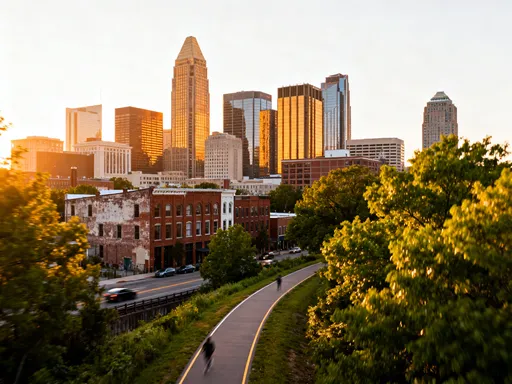
As the sun sets over the Brisbane River, casting golden light across the city’s skyline, it’s easy to reflect on what makes this place so special. The flavors experienced over days of exploration—crisp coffee, briny oysters, fragrant pho, smoky barbecue—form a mosaic of memory and meaning. But more than any single dish, it’s the spirit of connection that lingers. In Brisbane, food is a bridge: between people, cultures, and the natural world. It’s a language of generosity, where a shared meal can spark conversation, comfort, or celebration.
What sets Brisbane apart is its authenticity. Unlike cities where tourism overshadows local life, Brisbane’s best food experiences are deeply embedded in everyday routines. They happen in suburban strip malls, weekend markets, and riverside parks—not just in glossy restaurants. This accessibility allows visitors to eat like locals, discovering flavors that are honest and unpretentious. There’s no need to chase trends; the city’s culinary strength lies in its diversity, seasonality, and community focus.
For travelers, this means an invitation—to slow down, to listen, to taste with intention. It means stepping into a Vietnamese grocery store in Sunnybank, asking a farmer about their heirloom tomatoes, or joining strangers at a long table during a riverside feast. These moments of engagement transform a meal into a memory, and a visit into a meaningful encounter. Brisbane doesn’t offer spectacle for show—it offers substance with soul.
Ultimately, the city’s food culture stands as a model of balance: between tradition and innovation, indulgence and responsibility, urban life and natural beauty. It reminds us that the best meals are not just about flavor, but about context—where we are, who we’re with, and how the food came to be on our plate. In a world that often feels rushed and disconnected, Brisbane offers a different rhythm—one where every bite is an opportunity to connect, to appreciate, and to belong. So come hungry, come curious, and let the taste of Brisbane guide you home.