Lost in the Pulse of Suva’s Urban Soul
Walking through Suva feels like flipping through the pages of a living journal—each street corner whispering stories, every market stall humming with rhythm. I didn’t come for glossy landmarks or tourist traps. I came to wander. And what I found wasn’t just a cityscape, but a breath, a beat, a heartbeat beneath the Pacific sun. This is urban Fiji, raw and real. In a region often reduced to postcard imagery of white sands and turquoise waters, Suva offers something deeper: an authentic, unfiltered experience of Pacific life as it truly unfolds. It is a city shaped by history, culture, and the daily pulse of its people—a place where tradition and modernity coexist in vibrant harmony.
First Impressions: Stepping Into Suva’s Rhythm
Arriving in Suva, the capital of Fiji, sets an immediate tone—colorful, chaotic, and utterly alive. Unlike the serene island retreats that dominate travel brochures, Suva pulses with urban energy. The city welcomes visitors not with polished facades but with the warmth of everyday life in motion. Colonial-era buildings stand shoulder to shoulder with bustling shops and roadside fruit vendors, creating a streetscape that tells multiple stories at once. Traffic flows steadily along tree-lined avenues, where taxis honk gently and pedestrians weave between minibuses known locally as drelos. The air carries the scent of frangipani, diesel, and freshly cut pineapple—a sensory signature unique to this corner of the South Pacific.
The blend of architectural styles reflects Suva’s layered past. Grand facades from the British colonial era, built with coral limestone and adorned with wide verandas, now house government offices and small businesses. These structures contrast with modern concrete buildings and vibrant storefronts offering everything from mobile phone credit to handmade bilum bags. The city does not hide its complexity; instead, it embraces it. Fijians in traditional sulus walk briskly past university students in jeans and backpacks, while Indian-Fijian merchants tend to spice-filled counters in family-run shops. Chinese grocery stores display bok choy and soy sauce beside kava root and dalo, a staple root crop. This coexistence is not forced—it is natural, lived, and deeply rooted in daily routine.
What stands out most upon arrival is the absence of performance. Suva is not curated for outsiders. There are no staged cultural shows or artificial village tours here. Instead, life unfolds organically. Children laugh outside school gates, elders sip tea at sidewalk tables, and market women rearrange pyramids of limes and taro with practiced hands. The city doesn’t shout; it murmurs with layered histories—indigenous Fijian, indentured labor from India, missionary influence from Europe, and maritime trade from across the Pacific. For the observant traveler, this quiet hum holds more meaning than any guided narrative could convey. Suva is not a stopover on the way to somewhere else. It is a destination with depth, deserving of attention and respect.
Wandering the Heart: Downtown Suva on Foot
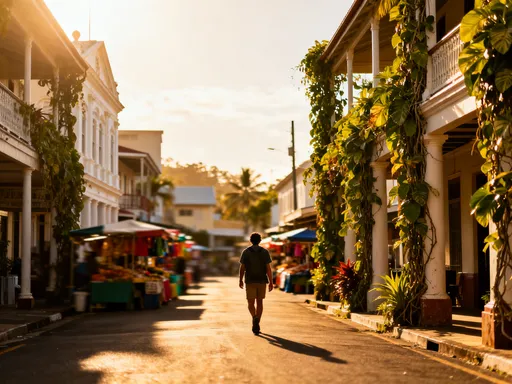
Exploring Suva means ditching maps and embracing the unexpected. The best way to understand the city is on foot, allowing time to absorb the details that flash by too quickly from a vehicle. A slow walk along Victoria Parade, the city’s main thoroughfare, reveals a living tapestry of architecture, commerce, and community. Colonial-era buildings draped in tropical vines stand beside modest shops selling everything from school uniforms to flip-flops. The Grand Pacific Hotel, a historic landmark opened in 1914, stands like a time capsule of early 20th-century elegance, its white columns and wraparound balconies exuding old-world charm. Locals and visitors alike sip kava or coconut water on its veranda, watching the city pass by.
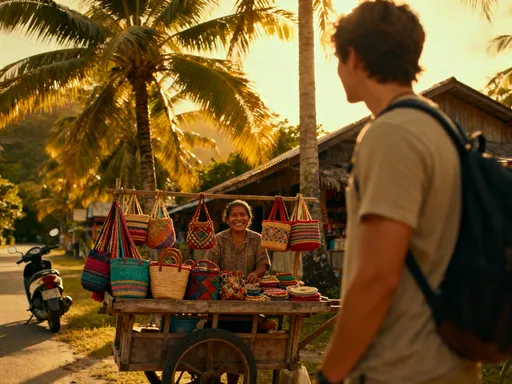
Just a few blocks inland lies the heart of daily commerce—the Suva Municipal Market. Open every morning except Sundays, this bustling hub overflows with fresh produce, handmade crafts, and the lively banter of vendors. Pyramids of green bananas, golden pineapples, and deep purple yams fill wooden stalls. Women in bright sulus sit cross-legged behind baskets of dalo, cassava, and taro leaves, calling out prices in Fijian or Hindi. The scent of ripe mangoes mingles with the earthy aroma of wet soil and crushed herbs. Elsewhere, artisans sell woven mats, shell jewelry, and hand-painted fans, each piece carrying a story of craftsmanship passed down through generations.
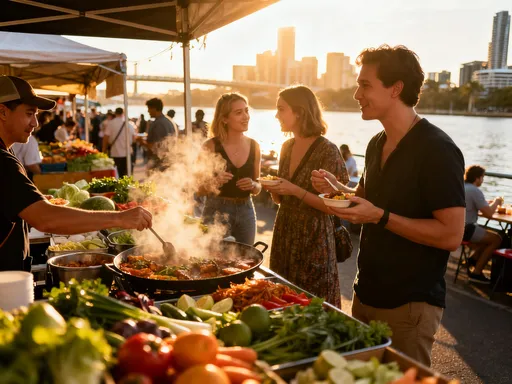
Street food is an essential part of the experience. Vendors offer pineapple slices speared on sticks, grilled cassava wrapped in foil, and sweet fried dough known as buns. Some stalls serve *kai nomu*, a refreshing drink made from young coconut water and pulp, often served in the shell. Conversations flow freely between customers and sellers—jokes exchanged, weather commented on, family news shared. This is not transactional commerce; it is relational. Every purchase comes with a smile, a greeting, or a piece of advice. For the visitor, these interactions are not just pleasant—they are illuminating. They offer a glimpse into the rhythm of Fijian urban life, where connection matters more than efficiency and hospitality is woven into everyday gestures.
Green Lungs: Parks and Open Spaces in the City
Amid the urban sprawl, Suva breathes through its green spaces. These parks are not afterthoughts but vital organs of city life, offering respite, recreation, and cultural continuity. The most prominent of these is Thurston Gardens, a lush botanical haven established in 1888. Named after Sir John Bates Thurston, a former colonial governor, the gardens span several hectares of manicured lawns, shaded pathways, and vibrant floral displays. Flaming red hibiscus, fragrant frangipani, and towering royal palms create a tapestry of color and scent. Peacocks strut along the edges, their iridescent tails catching the sunlight, while geckos dart across sun-warmed stones.
More than just a scenic spot, Thurston Gardens serves as a social hub. Early in the morning, locals gather for tai chi or brisk walks. Families spread mats for weekend picnics, sharing tiffin boxes filled with rice, curry, and roti. Elderly couples stroll hand in hand, pausing to admire the lotus pond or listen to the fountain’s gentle splash. On weekends, children chase bubbles or feed bread to the ducks, their laughter echoing under the canopy of trees. The park is inclusive—welcoming students, office workers, tourists, and elders alike. It is a rare urban space where time slows, and community flourishes.
Nearby, the Fiji Museum sits within its own shaded grounds, offering a deeper connection to the nation’s heritage. Founded in 1904, it is the oldest cultural institution in the Pacific Islands. Its collection includes ancient Lapita pottery, traditional war clubs, intricately carved canoes, and ceremonial masks. Outside, a reconstructed Fijian village provides insight into pre-colonial life, with thatched bure huts and a central meeting house. The museum does not merely display artifacts; it tells stories—of seafaring ancestors, spiritual beliefs, and the resilience of Fijian identity. For families visiting together, it offers an educational experience grounded in pride and continuity. These green spaces, together, anchor the city’s soul, balancing growth with nature and progress with memory.
Cultural Crossroads: Where Traditions Meet Modern Life
Suva’s identity thrives in its diversity. As a melting pot of Fijian, Indian, Chinese, and European influences, the cityscape reflects a cultural mosaic that is both dynamic and harmonious. This coexistence is not merely geographical—it is woven into the fabric of daily life. Temples stand just blocks from churches, and mosques are within walking distance of Hindu festivals held in public squares. On any given day, the scent of incense from a Ganesh temple might mingle with the sound of a Methodist choir rehearsal drifting from a nearby chapel. This pluralism is not performative; it is lived, respected, and celebrated.
The culinary landscape mirrors this diversity. Roti shops, serving flaky flatbreads filled with spiced lentils or curried potatoes, operate alongside Pacific fusion cafes offering coconut-poached fish and taro gnocchi. Chinese restaurants serve stir-fried vegetables and steamed dumplings, often adapted with local ingredients like taro stem or fresh reef fish. At lunchtime, office workers queue at small eateries known as “roadside kitchens,” where meals are served on disposable plates for under three Fijian dollars. These spaces are not segregated by ethnicity—they are shared, with Fijians, Indo-Fijians, and expatriates sitting side by side on plastic stools, eating with their hands or chopsticks.
The University of the South Pacific, located in Suva, further amplifies this exchange of ideas. As a regional institution serving 12 Pacific Island countries, it draws students and academics from across Melanesia, Polynesia, and Micronesia. Campus life buzzes with multilingual conversations, traditional performances, and academic debates on climate change, governance, and cultural preservation. Here, the ancient practice of kava drinking coexists with digital research and global scholarship. Students gather in the evenings to share bowls of kava, a mildly sedative drink made from pounded root, while discussing everything from village customs to sustainable development. This is modern Oceania—traditional values evolving in an urban context, not erased by it.
Local Eats: Flavors That Define the Streets
To taste Suva is to understand it. The city’s culinary offerings are not confined to restaurants but thrive in the open-air kitchens of street vendors and family-run stalls. These are the places where culture is most vividly expressed—through flavor, ritual, and shared experience. One of the most beloved Fijian dishes is *rourou*, a hearty preparation of taro leaves simmered in coconut milk, often with onion, garlic, or fish. Served hot in banana leaves, it carries the richness of the land and sea. Another staple, *kai nakoro*, is a fresh salad made with cucumber, tomato, onion, and coconut cream, lightly seasoned and cooling in the tropical heat.
For a quick and satisfying meal, many locals turn to roti. This flatbread, introduced by Indian indentured laborers in the 19th century, has become a national favorite. Vendors fry it fresh on griddles, then fill it with curried chickpeas, potato, or spinach. It is eaten folded in paper, often standing on the sidewalk, and paired with a cup of sweet milky tea. The combination is humble but deeply satisfying—a testament to the fusion of cultures that defines Fijian life. Near the university, small cafes brew strong Fijian coffee, grown in the highlands of Viti Levu. Served black or with condensed milk, it fuels late-night study sessions and animated conversations about politics, art, and dreams.
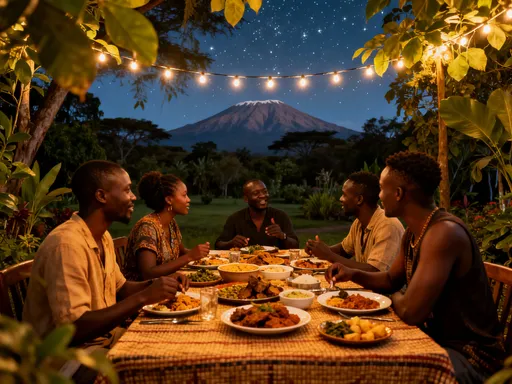
Food in Suva is more than sustenance—it is connection. Meals are rarely eaten in silence. Whether at a roadside stall or a family dinner, eating is a social act. Elders bless the food before it is served, and guests are always offered more. Even in the busiest markets, vendors take time to explain what they are selling, recommend pairings, or share a joke. For visitors, participating in this culture of food is one of the most meaningful ways to engage with the city. It requires no special invitation—only openness, respect, and an appetite for authenticity.
Getting Around: Navigating Suva Like a Local
Public transport in Suva is simple but unpredictable. The primary mode of urban transit is the dalo, or minibus, known locally as a “drello.” These brightly painted vans, often decorated with stickers and religious slogans, zip through the city’s streets with handwritten route signs taped to the windshield. They operate on fixed routes but follow no official timetable. A 50-cent fare gets you across town, but knowing when and where to board requires local knowledge or patient observation. Drivers honk to signal departure, and passengers wave from the curb to hail them. There are no seatbelts, no electronic displays—just a system built on routine, trust, and common sense.
For newcomers, this can feel disorienting. But with a little guidance, it becomes part of the adventure. Locals are generally helpful, willing to point the way or explain a route. Some visitors choose to start with a short ride—say, from the market to the university—to get a feel for the flow. Others prefer to walk, which remains the best way to absorb the city’s details. Side alleys reveal murals painted by local artists, hidden gardens tucked behind fences, and the occasional street musician strumming a guitar. The pace is slow, the rhythm unhurried. This is not a city built for speed, but for presence.
For longer trips or greater comfort, ride-share apps are beginning to appear, though they are not yet widespread. Taxis are available but should be agreed upon by fare before departure, as meters are rarely used. Cash remains king—credit cards are accepted in hotels and larger stores, but most daily transactions are conducted in Fijian dollars. ATMs are accessible in central areas, but it is wise to carry small bills for markets and transport. The key to navigating Suva is not precision but patience. Rushing through the city means missing its essence. Instead, travelers are encouraged to move with its rhythm—flexible, friendly, and fully engaged.
Why Suva? Rediscovering Urban Authenticity in the Pacific
In a region known for beaches, resorts, and overwater bungalows, Suva stands apart—a city that does not perform for tourists. Its charm lies not in perfection but in authenticity, not in speed but in soul. Wandering through its streets is not about ticking sights off a checklist; it is about feeling the pulse of Pacific urban life as it truly is. This is a place where history is not locked behind glass but lived in the way elders greet each other, in the way children play in parks, in the way food is shared without hesitation.
Suva’s resilience is quiet but profound. It has weathered political changes, economic shifts, and natural challenges, yet it continues to thrive as a center of culture, education, and community. It does not seek to be like other capital cities—flashy or hyper-modern. Instead, it embraces its own rhythm, one that values connection over convenience and tradition over trend. For travelers who have grown weary of curated experiences, Suva offers a rare gift: the chance to be present in a place that does not pretend to be anything other than what it is.
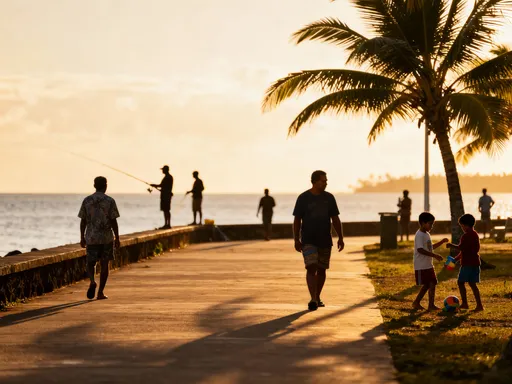
To get lost in Suva is not a mistake—it is a revelation. It is discovering a conversation in three languages at a roadside stall, finding a centuries-old artifact in a shaded museum, or sharing a silent moment watching the sunset from a park bench. It is realizing that the Pacific is not just a postcard—it is a living, breathing world of complexity and warmth. For those willing to step beyond the shoreline, Suva invites a deeper kind of journey—one that lingers not in photographs, but in memory. This is urban Fiji, raw and real. And for travelers seeking depth over polish, Suva isn’t just worth a visit—it’s worth getting lost in.