Luxury Spending Isn’t Vanity—It’s the New Wealth Signal
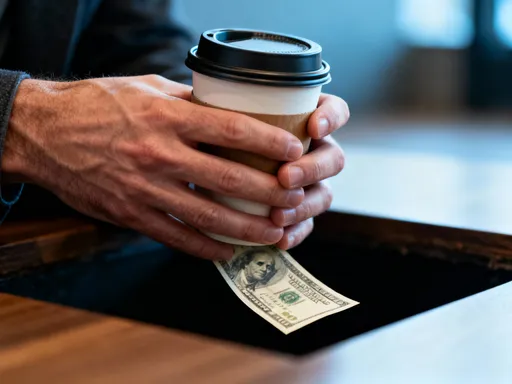
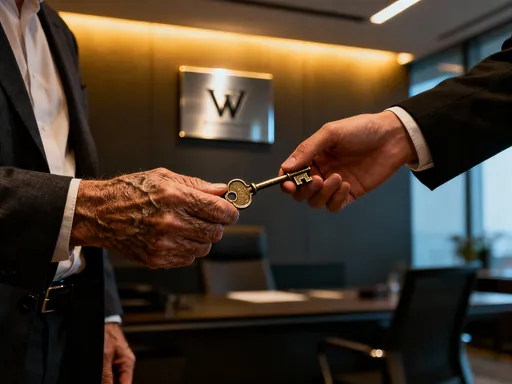
We used to think luxury was about excess, but now it’s strategy. I once thought splurging on high-end experiences was wasteful—until I saw how the financially savvy use premium consumption to build influence, access exclusive networks, and even unlock better investment opportunities. This isn’t about flashy labels; it’s about understanding how market trends are reshaping what wealth looks like. The shift isn’t just cultural—it’s economic, and it’s accelerating. Today, what you spend on is no longer just a reflection of income, but a signal of intention, foresight, and financial positioning. The wealthiest individuals are no longer hiding their spending; they’re leveraging it, turning consumption into a quiet engine of long-term growth and opportunity.
The Hidden Logic Behind High-End Consumption
High-end consumption today is not defined solely by price, but by purpose. It encompasses curated travel, limited-edition purchases, memberships to invitation-only clubs, and investments in wellness or education that carry both personal and social value. These choices are increasingly made not for show, but as deliberate steps to build social capital, enhance credibility, and open doors to closed networks. The modern affluent consumer understands that in an economy driven by visibility and reputation, how you spend often matters as much as how much you save. This marks a fundamental shift from the traditional financial advice of minimizing all non-essential expenses. Instead, a new financial logic is emerging: strategic spending can generate returns just like any other asset.
Consider the executive who invests in a private culinary tour of Tuscany hosted by a renowned chef. On the surface, this may appear indulgent. But within that experience, she connects with other high-achieving professionals, exchanges insights on industry trends, and builds relationships that later lead to board appointments. The trip’s real value isn’t in the meals—it’s in the network. Similarly, attending a curated wellness retreat in Costa Rica may seem like a vacation, but for many, it’s a platform for learning cutting-edge health practices, meeting innovators in longevity science, and positioning oneself as a forward-thinking leader. These are not frivolous expenditures; they are calculated investments in personal brand and future opportunity.
This mindset shift reflects a deeper understanding of how modern economies operate. In knowledge-driven markets, access to information and influence often trumps raw capital. Those who consistently engage in premium experiences signal competence, discernment, and financial stability—qualities that attract partnerships, mentorships, and business ventures. Moreover, high-end consumption often grants early access to innovation. Whether it’s trying a new luxury skincare line before public release or being among the first to adopt sustainable fashion brands, participants gain insights that can inform future investment decisions. In this context, spending becomes a form of market research, offering real-time exposure to emerging trends and consumer behaviors.
Crucially, this approach does not advocate for reckless spending. The key lies in intentionality. The financially sophisticated distinguish between consumption that builds equity and that which merely satisfies desire. They ask: Does this experience expand my network? Will it enhance my credibility in a meaningful way? Can it lead to knowledge or opportunities I couldn’t access otherwise? By applying this filter, they transform spending from a liability into a strategic function of wealth management. This is not about luxury for luxury’s sake—it’s about using consumption as a tool to amplify influence and create long-term value.
How Consumption Upgrade Fuels Financial Opportunity
For decades, personal finance has been framed as a battle between saving and spending. The conventional wisdom holds that every dollar spent is a dollar not invested. But in today’s interconnected economy, that binary view is outdated. Strategic high-end consumption can, in fact, generate financial returns by unlocking access to opportunities that remain invisible to those who operate solely within frugal boundaries. When you participate in premium markets—whether through travel, dining, or exclusive events—you enter ecosystems where deals are made, ideas are exchanged, and collaborations are born.
Take the example of private investment clubs that require membership fees and a demonstrated interest in high-value experiences. These are not merely social gatherings; they function as incubators for business ventures. Members often include entrepreneurs, fund managers, and industry leaders who use these settings to scout talent, evaluate startup ideas, and form syndicates. A single conversation at such an event can lead to an investment opportunity in a pre-IPO company or a joint venture in real estate development. In these circles, access is earned not just through net worth, but through demonstrated engagement in the right spaces. Someone who has never attended a luxury summit or participated in a curated art auction may be overlooked, not for lack of capital, but for lack of presence.
Similarly, premium travel experiences often serve as informal networking platforms. A safari in Botswana organized by a luxury adventure company may include a former central banker, a tech founder, and a sustainable agriculture investor. Conversations around the campfire or during guided walks can spark collaborations that lead to cross-border ventures. These interactions are not incidental; they are expected outcomes of the experience design. The organizers curate guest lists to ensure a mix of expertise and influence, knowing that the true value of the trip lies beyond the scenery. For the financially aware, such trips are not vacations—they are strategic engagements with measurable potential returns.
Even in education, high-end consumption creates advantage. Executive programs at elite institutions often come with steep price tags, but they offer more than knowledge—they provide access to alumni networks, mentorship from industry titans, and exposure to global trends. A mid-career professional who invests in such a program may later secure a board seat or advisory role simply because of the relationships formed during those few weeks. The tuition is not an expense; it’s an entry fee to a network that compounds in value over time. This reframing of consumption—as a gateway to opportunity—challenges the traditional notion that wealth grows only through restraint. Instead, it reveals that selective, well-planned spending can be one of the most powerful tools for financial advancement.
Recognizing the Signals: What the Market Rewards Now
The modern economy is increasingly attentive to consumer behavior as a leading indicator of value. Companies, investors, and financial institutions monitor spending patterns to anticipate shifts in demand, innovation cycles, and cultural movements. Those who adopt premium trends early—particularly in areas like sustainable luxury, regenerative wellness, and digital identity—are often rewarded with first-mover advantages. Their consumption choices signal awareness, adaptability, and alignment with future-oriented values, all of which enhance their financial positioning.
Consider the rise of sustainable luxury. Brands that integrate ethical sourcing, carbon-neutral production, and artisan craftsmanship are gaining market share and investor interest. Consumers who consistently support these brands are not just making ethical choices—they are aligning themselves with a growing economic movement. Their purchasing behavior signals to investors and partners that they understand long-term value creation beyond short-term profit. This perception opens doors: they may be invited to advisory boards, consulted on product development, or considered for leadership roles in purpose-driven organizations. In this way, consumption becomes a form of reputation-building, directly influencing career and investment trajectories.
Similarly, the shift from material ownership to experiential value is reshaping what wealth looks like. Owning a rare watch may still carry status, but attending a private concert by a world-renowned artist or participating in a space tourism briefing carries a different kind of prestige—one tied to access, not accumulation. These experiences are difficult to replicate and often require both financial means and social credibility to obtain. By engaging in them, individuals signal that they operate at a high level of influence and connectivity. The market responds by offering them preferential treatment—early access to new products, invitations to closed events, and personalized financial services.
Digital collectibles and identity are also emerging as key areas where consumption signals matter. While the crypto market has seen volatility, the underlying concept of digital ownership and provenance remains significant. Collecting verified digital art or participating in exclusive online communities demonstrates technological fluency and cultural awareness. For professionals in creative, tech, or finance sectors, this signals forward-thinking competence. Institutions are beginning to recognize these signals in hiring, partnership decisions, and investment allocations. Thus, high-end digital consumption is not merely recreational—it is a strategic positioning tool in an increasingly digital economy.
To benefit from these shifts, individuals must stay attuned to evolving market signals. This requires more than passive spending; it demands active observation and intentionality. What types of experiences are gaining attention among innovators? Which brands are attracting venture capital or celebrity endorsements? What kinds of events are being hosted by thought leaders? By tracking these patterns, consumers can align their spending with trends that are likely to appreciate in value—both socially and financially. The goal is not to chase every trend, but to identify those that align with personal goals and long-term vision. In doing so, they transform consumption from a passive act into a strategic lever for growth.
Balancing Risk: When Luxury Becomes a Liability
While strategic consumption can create opportunity, it also carries significant risk if not managed with discipline. The difference between wealth-building spending and wealth-eroding indulgence often comes down to clarity of purpose. Without a clear framework, luxury consumption can quickly spiral into lifestyle inflation—a cycle where rising income leads to rising expenses, leaving little room for savings or investment. This is especially dangerous when spending is driven by social comparison or emotional impulses rather than strategic intent.
One common pitfall is the use of credit to maintain a high-end lifestyle. Charging luxury travel, designer goods, or exclusive memberships on credit cards may create the appearance of affluence, but it can lead to compounding interest and financial strain. The financially sophisticated avoid this by ensuring that premium spending is funded from surplus income or appreciated assets, not borrowed money. They understand that true wealth is measured not by what you display, but by what you own free and clear. A vacation financed with a credit card is a liability; one paid from investment returns is an asset.
Another risk lies in misjudging the return on investment of high-end experiences. Not every exclusive event leads to a business deal. Not every luxury purchase enhances credibility. Some experiences, while enjoyable, offer little beyond momentary pleasure. The key is to evaluate each expenditure against measurable outcomes: Did it expand my network? Did it provide knowledge I can apply? Did it enhance my professional reputation? If the answer is consistently no, the spending may be more emotional than strategic. This is where self-awareness becomes critical. The most financially resilient individuals regularly audit their spending, asking not just what they spent, but what they gained.
Risk control also involves setting boundaries. Even the wealthy operate within limits. They may attend one major luxury event per year, or allocate a fixed percentage of discretionary income to premium experiences. This ensures that consumption supports, rather than undermines, long-term financial goals. They also distinguish between spending that builds equity—such as education or networking—and spending that merely satisfies ego, such as conspicuous consumption without purpose. By maintaining this discipline, they protect their wealth while still enjoying the benefits of elevated lifestyle choices.
Building a Smart Premium Spending Framework
To spend like the wealthy without risking financial stability, intentionality is essential. A smart premium spending framework begins with defining clear personal and professional goals. Is the objective to advance in a career? Expand a business network? Build a public reputation? Once these goals are established, every high-end expenditure can be evaluated against them. This turns spending from a reactive habit into a proactive strategy.
For example, a professional aiming for a leadership role in the healthcare industry might prioritize attending exclusive medical innovation summits, joining a private health technology forum, or enrolling in an executive program at a top-tier university. Each of these choices offers not only knowledge but access to decision-makers and potential collaborators. The cost is justified not by the experience itself, but by the doors it opens. In contrast, spending on luxury fashion or high-end dining, while enjoyable, may not contribute directly to that specific goal and should therefore be deprioritized.
Another component of the framework is prioritization. Not all premium experiences are equally valuable. The most effective spenders focus on those that offer multiple returns: learning, networking, and personal growth. A curated retreat on leadership and mindfulness, for instance, might provide tools for better decision-making, introduce new mentors, and improve mental resilience—all of which enhance long-term performance. By selecting experiences with layered benefits, individuals maximize the return on their investment.
Finally, the framework includes a filtering mechanism for emotional or social pressure-based spending. It’s natural to feel tempted to attend an event because peers are going, or to purchase a luxury item to fit in. But the financially sophisticated pause and ask: Does this align with my goals? What is the opportunity cost? Could this money be better used elsewhere? This reflective practice prevents impulsive decisions and ensures that spending remains aligned with long-term value creation. Over time, this disciplined approach builds not just wealth, but wisdom in financial decision-making.
Tools and Habits of the Financially Sophisticated
The truly wealthy do not rely on intuition alone when it comes to spending. They use structured tools and consistent habits to maintain control and optimize outcomes. One such tool is the personal balance sheet, which tracks not just financial assets and liabilities, but lifestyle investments. By listing high-end expenditures as potential assets—valued for their network, knowledge, or influence returns—they can assess which ones are appreciating and which are depreciating in value.
Another effective habit is the quarterly spending review. During this review, individuals examine all premium expenditures from the past three months, evaluating each for tangible and intangible returns. Did a luxury trip lead to new connections? Did a membership provide access to valuable information? If not, they reconsider future participation. This practice fosters accountability and ensures that spending remains aligned with goals.
Opportunity cost analysis is also widely used. Before making a high-end purchase, the financially savvy ask: What else could I do with this money? Could it be invested to generate passive income? Could it fund a child’s education or a business venture? By comparing alternatives, they make more informed decisions and avoid spending that offers only fleeting satisfaction.
Additionally, many set discretionary spending thresholds—fixed limits on how much they will spend annually on luxury travel, dining, or events. These caps prevent overspending while still allowing for enjoyment. Some even create a “luxury investment fund” within their portfolio, allocating a small percentage of returns specifically for strategic consumption. This ensures that such spending is funded by growth, not principal, preserving the core of their wealth.
The Future of Wealth: Where Value and Visibility Merge
Looking ahead, the line between consumption and investment will continue to blur. As personal branding becomes a key driver of professional success, and as digital identities carry increasing economic weight, the way individuals present themselves financially will play a larger role in their opportunities. The wealthiest will not be those who merely accumulate assets, but those who strategically align their lifestyle with long-term value creation.
In this future, high-end consumption will be less about ownership and more about access, influence, and signaling. The ability to navigate exclusive spaces, engage with emerging trends, and build trusted networks will become core financial competencies. Those who master this balance—spending with purpose, tracking outcomes, and maintaining discipline—will gain a silent but powerful advantage.
Ultimately, luxury spending is not about vanity. It is about strategy. It is about understanding that in a world where perception shapes reality, every financial decision sends a signal. The most successful individuals are not those who spend the most, but those who spend the smartest—turning consumption into a quiet engine of growth, connection, and lasting wealth.